The Ancient Roots of Reflexology
Ancient Origins and Early Records
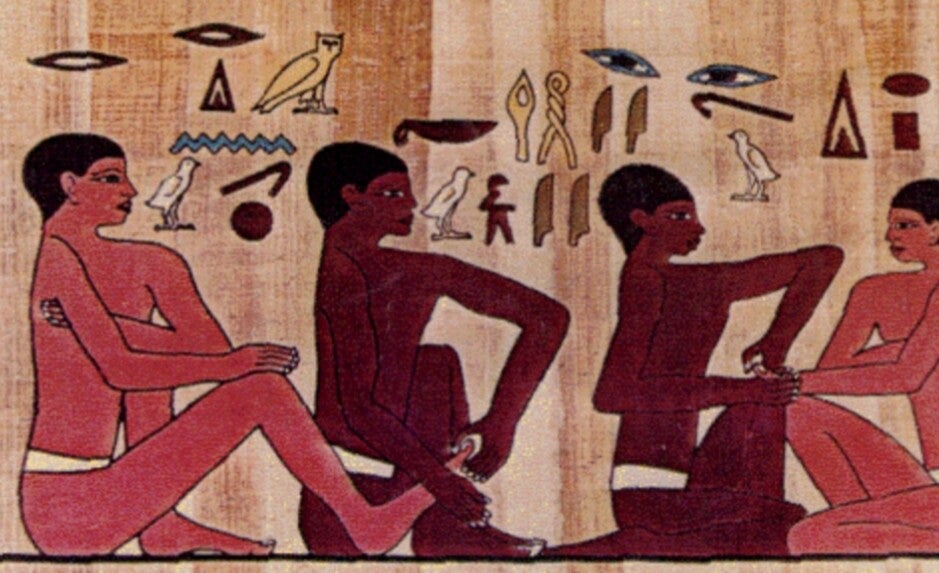
Historians believe that early knowledge of Reflexology was likely passed down through oral traditions. The earliest known pictorial evidence of this practice can be found on an Egyptian tomb belonging to Ankhamor, dating back to 2330 BC. This tomb also contained other medical illustrations, hinting at the importance of foot-based therapies in ancient Egypt.
Further evidence emerged in India, where statues of the Buddha displayed reflexology symbols on their feet. In China, around 1000 BC, the "Yellow Emperor's Classic of Internal Medicine" included a chapter titled "Examining Foot Method." This text marked the beginning of printed discussions that connected specific points and areas on the foot to the body's vital life force, known as Qi.
Eunice Ingram and foot maps
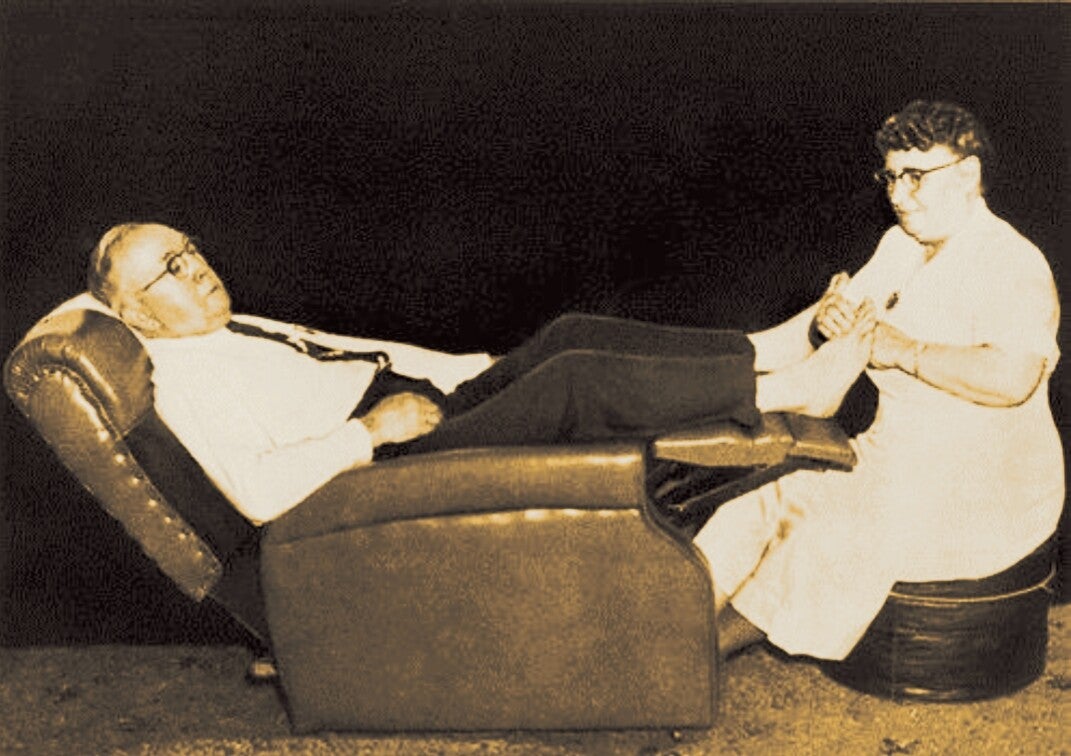
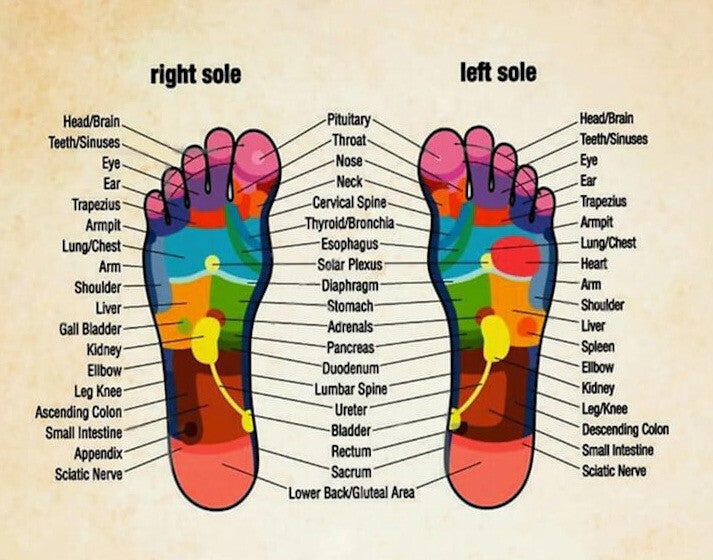
Eunice Ingram is a prominent figure in the Reflexology World, recognised for her research and development of Zone Therapy. She worked with Dr.Riley a Physiotherapist and found the feet were most responsive and sensitive. She introduced Reflexology to the non- medical community in the 1930s and her foot maps are still used by practitioners today!
"Understanding the history of Reflexology helps us appreciate the depth and effectiveness of this ancient healing art. It assures clients of a practice rooted in tradition and proven by time."
Catherine Williams
William.H. Fitzgerald and Zone Therapy
Reflexology and integral massage were introduced into Europe when Marco Polo translated a Chinese book into Italian around 1300,BC
Zone Therapy, an integral part of Reflexology was recorded in a book by Dr. Adamus and Dr.A’tatis in 1582.
William H. Fitzgerald MD, widely recognised as "the Father of Reflexology," made significant contributions in 1917. He detailed the concept of ten vertical zones that run the entire length of the human body. Dr. Fitzgerald's groundbreaking work demonstrated that applying pressure to specific points within these zones could have a therapeutic effect on corresponding areas of the body, laying crucial groundwork for the Reflexology practices we know today.